
Sound Quality Matters More Than You Think
Beautiful footage. Perfectly framed. Good lighting. But the audio sounds like it was recorded in a tunnel. Background noise drowns out the speaker. Words are muffled. The video is unwatchable.
This happens more often than you would expect. In my work across Auckland I see organisations invest heavily in visual quality while treating sound as an afterthought. Then they wonder why their video feels amateur despite looking professional.
Here is what most people do not understand: viewers will forgive slightly imperfect video. Soft focus. Basic lighting. Simple framing. But they will not tolerate bad audio.
If people cannot clearly hear what is being said they stop watching. If background noise is distracting they stop watching. Poor sound immediately signals amateur production regardless of how beautiful the footage looks.
This guide explains why sound quality matters, what professional sound actually involves and how to avoid the most common audio mistakes.
Viewers will forgive imperfect video but will not tolerate bad audio. Sound carries emotion, clarity and connection. Professional sound starts with planning and experienced crew, not post-production fixes. AI noise reduction helps but cannot rescue audio recorded in terrible conditions.
Why Sound is 50 Percent of the Experience
Video is audiovisual. People watch with their eyes but also listen with their ears. When audio is bad the entire experience suffers.
Try this experiment: watch a professionally produced video with the sound off. Then watch amateur footage with good audio. The amateur footage with clear sound will hold your attention longer than beautiful images with no context.
Sound carries emotion, clarity and connection. A person speaking directly to camera creates intimacy through their voice. Background ambience creates atmosphere and place. Music shapes mood and pacing.
When sound is good viewers do not notice it. They focus on the content. When sound is bad that is all they notice.
The Factory Floor Story
I once filmed interviews for a major New Zealand whiteware brand. They wanted to film on the factory floor surrounded by machinery with their team working in the background.
I explained that audio would be unusable. Factory floors are among the worst possible environments for recording dialogue. Constant mechanical noise, metal clanging, echoing spaces, unpredictable sound spikes.
They insisted. The visual was important. The authenticity of the working environment mattered. They understood the audio challenge but wanted to proceed.
We filmed the interviews. The footage looked exactly how they wanted. Workers in the background. Authentic industrial environment. Real context.
But there was no amount of sound engineering that could fix that audio. Professional sound mixing. Noise reduction. Frequency filtering. Nothing made the dialogue clear enough to use.
We ended up using the footage as b-roll with voiceover recorded in a quiet space. The factory floor interviews themselves were unusable. Good visuals, worthless audio, video that could not serve its intended purpose.
This is an extreme example but it illustrates the point: sound cannot always be fixed in post-production. Sometimes the environment makes clean audio impossible.
What Professional Sound Actually Means
Professional sound does not always mean a dedicated sound recordist on every shoot. But it does mean using quality equipment, proper technique and experienced people who understand audio.
Professional Equipment
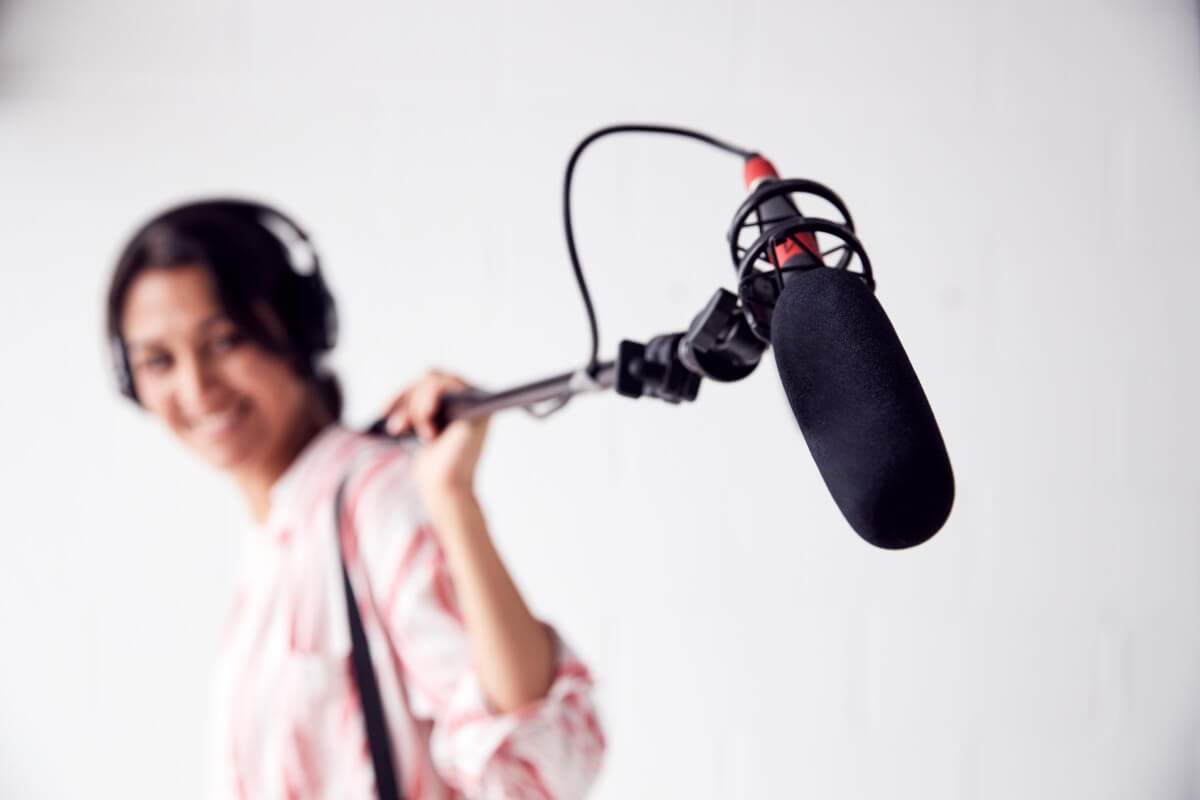
The Sennheiser 416 shotgun microphone is industry standard for boom recording. It has been used on film and television productions for decades because it works. Directional pickup. Clear sound. Reliable in various conditions.
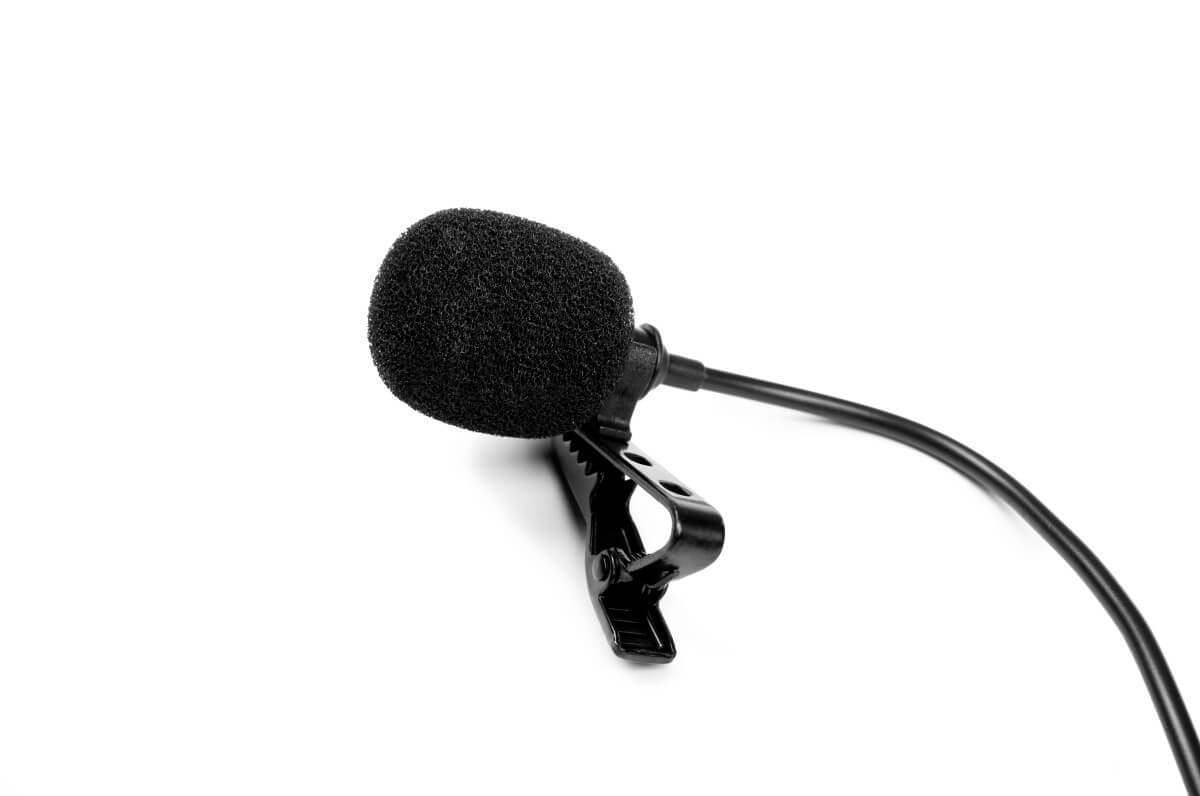
We also use wireless lavalier microphones for subjects particularly in multi-person setups or when boom placement is difficult. Professional lavs stay hidden, capture clean dialogue and give subjects freedom to move naturally.
Dedicated audio recorders with proper preamps matter. Camera-mounted microphones can work in controlled environments but professional productions use separate audio recording for better quality and more control.
When to Use a Sound Recordist
If the budget is good a dedicated sound recordist really helps. Someone focused only on audio while the camera operator focuses on framing. This split of attention produces better results in both picture and sound.
On smaller shoots we do not always use a dedicated sound recordist. But it is still professional sound set up by experienced people who have been doing this for decades. We know microphone placement, monitoring levels, wind protection, room acoustics.
Professional sound is about knowledge as much as equipment. Understanding what will work and what will not. Planning for challenges. Making informed decisions.
Common Sound Mistakes
These are the audio issues I see regularly, most of which are easily preventable:
The Influencer Look: Holding the Mic to Your Mouth
Lavalier microphones are designed to clip to clothing near the chest about 6 to 8 inches from the mouth. This distance captures natural voice while minimizing breath noise and plosives (hard P and B sounds). This is one reason what you wear matters for video interviews.
But I see people hold the lav microphone right against their mouth mimicking the influencer or podcast look. This makes the audio peak and distort. Harsh, unnatural sound. Too much bass. Constant plosives.
If you want the look of someone holding a microphone use an actual handheld interview microphone designed for that purpose. Do not hold a lavalier microphone to your mouth. It is not designed for that and sounds terrible.
Filming in Extremely Noisy Locations
Some locations are simply too noisy for dialogue recording. Busy cafes. Construction sites. Factory floors. Heavy traffic areas. Open offices with dozens of people working.
If the story requires filming in these locations plan accordingly. Film b-roll there and record voiceover or interviews in quieter spaces. Or schedule filming during quieter times. Early morning. Weekends. After hours.
Sometimes the visual context is worth the audio challenge but only if you have a plan for making the dialogue usable.
No Wind Protection Outdoors
Outdoor filming without proper wind protection creates unusable audio. Even gentle breezes create rumbling, distortion and constant noise that drowns out dialogue.
Professional outdoor sound uses deadcats (furry windshields) on boom microphones and foam covers on lavalier mics. This is basic equipment for any outdoor shoot. Not using it guarantees bad audio.
Not Monitoring Audio During Recording
You cannot tell if audio is good by looking at waveforms or levels alone. You need to actually listen with proper headphones while recording.
Monitoring catches issues immediately. A lav microphone rubbing against clothing. HVAC that just kicked on. A plane overhead. Distant conversation bleeding into the recording.
If you do not monitor while filming you discover these issues in post-production when it is too late to fix them.
Relying Only on Camera-Mounted Microphones
Camera-mounted microphones are too far from subjects to capture clean dialogue in most situations. They pick up room echo, background noise and lack the clarity of a dedicated microphone placed close to the speaker.
Camera mics work for ambient sound, room tone or situations where dialogue is not critical. For interviews, testimonials or any content where spoken words matter use dedicated microphones placed properly.
AI Noise Reduction: Helpful But Not Magic
AI noise reduction tools have improved significantly in recent years. Software can now identify and reduce consistent background noise like HVAC hum, traffic or computer fans with impressive results.
These tools are genuinely helpful for cleaning up audio that is already reasonably good. Removing that persistent low hum. Reducing traffic noise. Making dialogue slightly clearer.
But they are not an excuse to be lazy on set. AI cannot fix audio recorded in extremely noisy environments. It cannot separate dialogue from overlapping conversations. It cannot recover words that are muffled or drowned out.
The tools work best when you start with decent audio. Getting good sound on set is always better than trying to fix bad sound later. See our detailed post on what happens in post-production for more on editing limitations.
We use AI noise reduction as one tool in the post-production toolkit. But we still try to find the best recording conditions possible during filming. Quiet rooms. Controlled environments. Proper microphone placement. Wind protection outdoors.
When Professional Sound Matters Most
Not every project needs the same level of sound production. But understanding when professional audio makes the biggest difference helps you budget appropriately.
Sound Design Beyond Dialogue
Professional sound is not just about recording clear dialogue. Sound design, music composition and audio atmosphere create emotional impact even without words.
Warrior Princess is a great showcase for what professional audio can achieve. Shamir Rodriguez designed the audio, composed the music and made the piece come alive even when there is no dialogue in the film. The sound carries the entire emotional journey.
This level of audio craft elevates content from good to exceptional. It demonstrates that professional sound is creative work not just technical recording.
Broadcast and High-Profile Content
Anything going to television, cinema or major digital campaigns needs professional sound throughout. Broadcast has technical standards for audio levels and quality. Professional sound mixing ensures your content meets these standards.
Dialogue-Heavy Content
Interviews, testimonials, educational content, documentaries. If the spoken word carries the content professional sound is essential. Viewers need to understand every word clearly.
Long-Form Content
Short social videos might get away with basic audio if the content is compelling. But anything longer than a few minutes needs good sound. Viewers tolerate imperfect audio for 30 seconds. They will not tolerate it for 5 minutes.
Content Representing Your Organisation
If the video represents your organisation to clients, stakeholders or the public professional sound signals professional organisation. Poor audio undermines your credibility regardless of message.
Planning for Good Sound
Good audio starts with planning not post-production. Here is how to set yourself up for success:
Choose Locations With Sound in Mind
When scouting locations listen. Is there HVAC noise? Traffic? Echoing spaces? Nearby construction? Refrigerators or equipment that cycle on and off? These considerations are part of preparing for your interview.
Sometimes these issues can be managed. Turn off HVAC during filming. Schedule around construction. Film in quieter parts of a building.
Sometimes they cannot be managed. Then you need to decide if the location is worth the audio challenge or if a different location makes more sense.
Discuss Sound Requirements Early
Tell your filmmaker what the content is for, who will see it and where it will be distributed. This helps them determine appropriate sound production level.
Internal communications video versus broadcast campaign requires different sound approaches. Being clear about requirements from the start ensures proper planning and budgeting.
Budget for Professional Sound
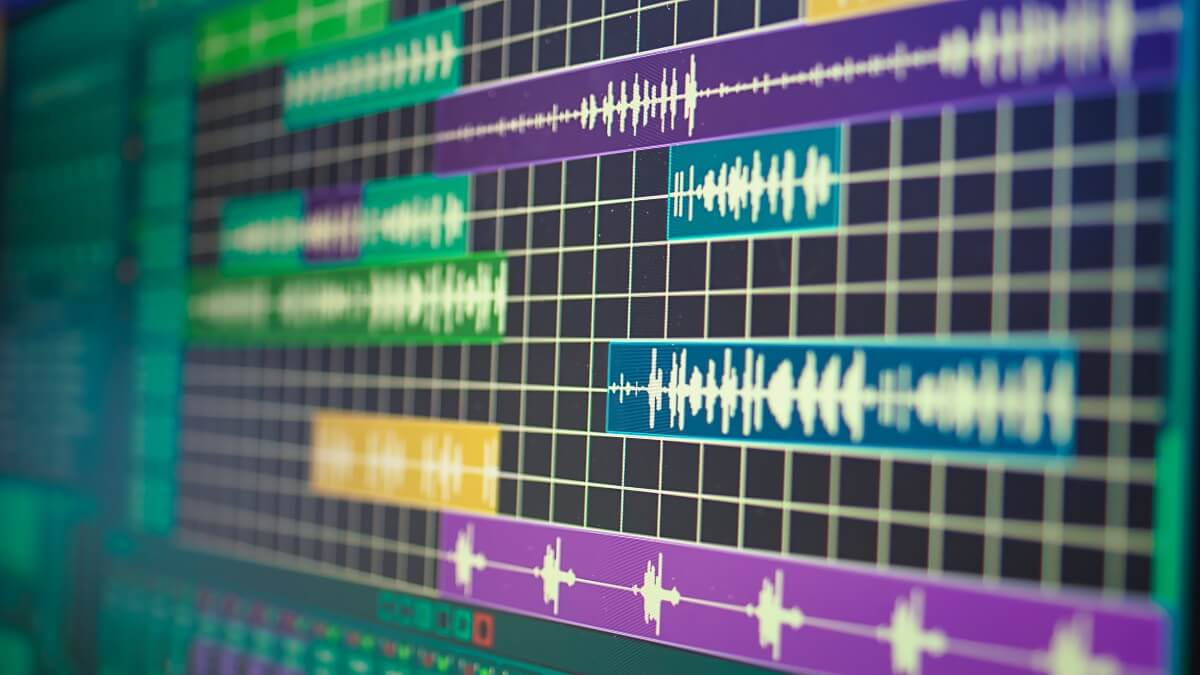
If professional sound matters for your project (and it almost always does for dialogue-heavy content) budget for it. Sound recordist on set if possible. Professional sound mixing in post-production.
This is not an area to cut corners. The difference between adequate sound and professional sound is immediately noticeable to viewers.
Trust Experienced Crew
If your filmmaker says a location will create audio problems listen to them. They have filmed in hundreds of spaces and know what works and what does not.
The factory floor story happened because the client insisted on a location that was fundamentally unsuitable for dialogue recording. We can make many challenging locations work. But some environments are simply too noisy.
The Simple Test for Good Sound
Here is how to evaluate if audio is good enough:
Can you understand every word clearly without straining? Does the audio sound natural and pleasant or harsh and tinny? Is background noise minimal and non-distracting? Are levels consistent across different speakers and scenes? Does the audio feel professional or amateur?
If you can answer yes to these questions the sound is probably good enough. If you are uncertain the sound probably needs improvement.
Remember: viewers notice bad audio immediately even if they cannot articulate why the video feels unprofessional. Good audio is invisible. Bad audio is the only thing people notice.
Frequently Asked Questions
Why does sound quality matter more than video quality?
Viewers will tolerate slightly imperfect video (soft focus, basic lighting) but will not tolerate bad audio. If people cannot clearly hear what is being said or if background noise is distracting they stop watching. Sound is 50 percent of the viewing experience. Poor audio immediately signals amateur production regardless of how good the footage looks.
What is professional sound equipment for video production?
Professional sound typically uses industry standard microphones like the Sennheiser 416 shotgun mic for boom recording plus wireless lavalier microphones for subjects. Professional equipment includes dedicated audio recorders with proper preamps, wind protection for outdoor filming and monitoring headphones. The equipment matters but knowing how to use it matters more.
Do I need a dedicated sound recordist for video production?
It depends on budget and complexity. Larger productions with good budgets benefit significantly from a dedicated sound recordist who focuses only on audio while the camera operator focuses on framing. Smaller shoots can work with experienced camera operators who set up professional sound themselves. Either way professional sound requires experienced people who understand audio.
Can AI noise reduction fix bad audio recorded on location?
AI noise reduction tools have improved significantly but they are not magic. They can reduce consistent background noise like HVAC hum or traffic but they cannot fix audio recorded in extremely noisy environments like factory floors. The tools work best when you start with reasonably clean audio. Getting good sound on set is always better than trying to fix bad sound in post production.
What are common sound mistakes in video production?
Common mistakes include filming in extremely noisy locations without proper planning, holding lavalier microphones too close to the mouth causing audio peaks and distortion, relying only on camera-mounted microphones which are too far from subjects, filming outdoors without wind protection and not monitoring audio with headphones during recording. Most of these are preventable with proper planning and experienced crew.
About the Author
Diego Opatowski is a documentary filmmaker and Director of Photography based in Auckland, New Zealand, specialising in professional video production for NGOs, government agencies and social impact organisations.
With over twenty years behind the camera in Auckland Diego has produced video across broadcast, digital and corporate platforms. His clients include the Mental Health Foundation, Disney, Auckland City Council and Fonterra. His approach balances professional production standards with documentary storytelling techniques for organisations across New Zealand.
If you are planning a video project and want to talk through the right approach for your sound and production needs, get in touch.
View video production examples • About Diego • How long should your video be • What happens in post-production