
From Buenos Aires to the Marae: Learning Tikanga Māori
I grew up in the chaos of Buenos Aires. I filmed news and conflict where the goal was simple. Get the shot and get out.
When I moved to Auckland 23 years ago I brought my cameras and my technical ego. I didn't bring any understanding of tikanga Māori or Pasifika protocols. I thought my portfolio was my passport. I was wrong.
The first time someone invited me to row a waka I said yes without knowing what I was getting into. That invitation didn't come because I was a good filmmaker. It came because I had spent 2 years filming LOKO, a story about a homeless musician who reconnected with his Māoridom and I had shown up with respect. I had finally stopped trying to lead and started trying to listen.
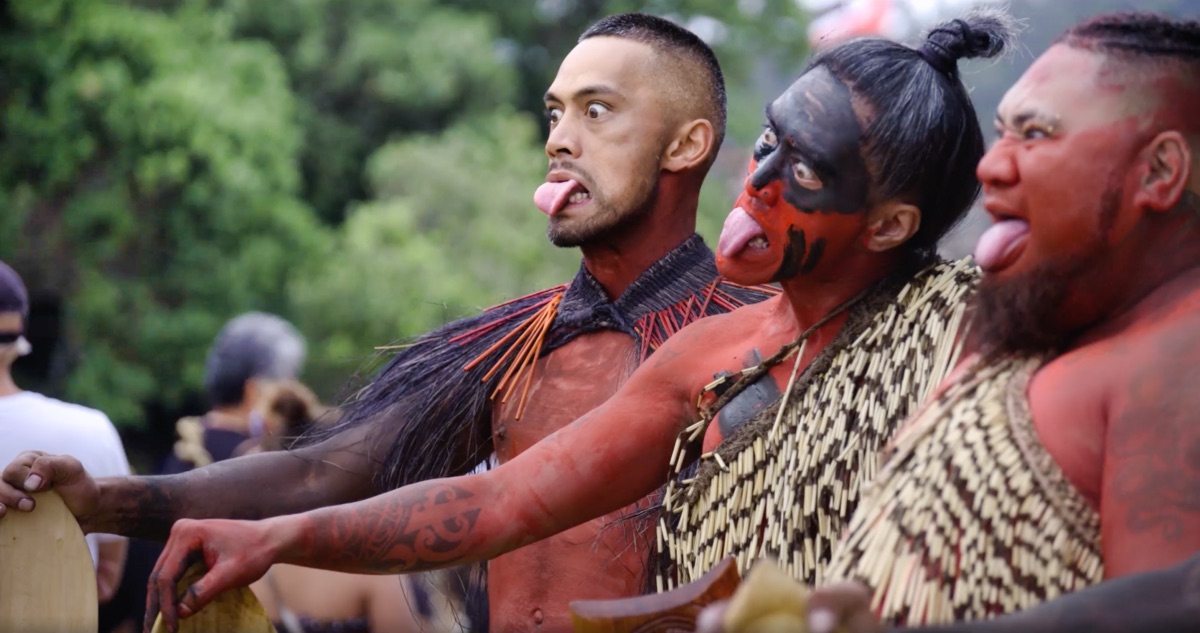
Filming in Māori and Pasifika communities requires understanding cultural protocols that matter more than shot lists. Respect, time for introductions, karakia and food blessings aren't delays. They're the foundation that makes authentic storytelling possible.
The Protocol Is The Work
Most production companies treat cultural protocols as a formality. A checkbox to tick before the "real" work starts.
In Māori and Pasifika communities in New Zealand the protocol is the work. It establishes trust and safety. If you don't understand whose space you're entering you have no business filming there.
Trust isn't built through your gear list. It's built through your willingness to follow tikanga, through participation in blessings and the time you spend introducing yourself properly.
Early on I made a lot of assumptions based on the Western way of working. I was wrong every single time.
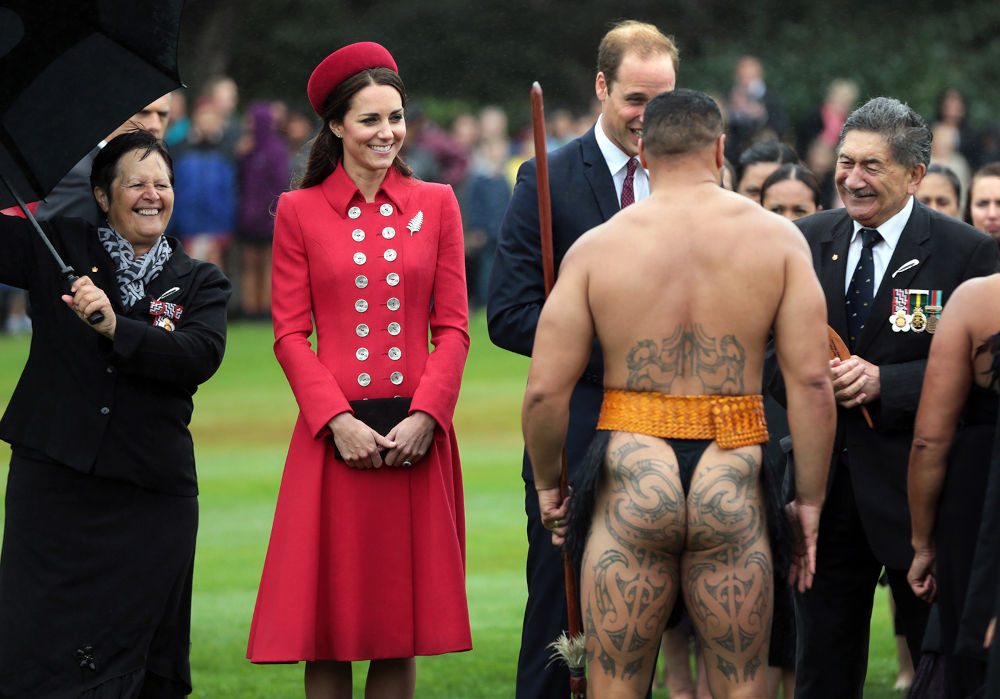
Why We Wait
Western schedules are built on efficiency. We count every minute because time is money. That mindset fails here.
I've been on shoots where we spent two hours just talking before a camera even moved. We had food and we talked about the kaupapa, the purpose of the project. At first I worried we would lose the day. But the footage we got that afternoon was better than anything I could have captured by rushing. People were relaxed. They trusted me.
The time wasn't wasted. It was invested.
When working with Le Va, a Pasifika organisation based in Auckland, there is always a blessing before the shoot. Decisions are made collectively by the leadership team, rather than by a single comms person, so the process moves at a different pace than a typical corporate setup. That pace reflects care, shared responsibility and respect for how leadership works within the organisation. As an outsider, I genuinely respect that approach and feel grateful to be welcomed into their way of working.
The Lesson of the Carvings
I've covered Waitangi celebrations multiple times and been welcomed onto dozens of marae all over Aotearoa. Every invitation to a marae was an honour, not a given. One of my biggest lessons came from a lady who asked me not to do close-ups shots of the carvings. She didn't want the designs ending up on tea towels or commercial products.
That conversation changed how I see documentary filmmaking. My footage isn't neutral. It has consequences beyond the frame. Documentation can easily turn into exploitation if you don't ask first.
I've also done shoots with companies like Ventia that have Māori advisors on set. That's a golden opportunity for any filmmaker working in New Zealand. Ask every question you have. Ask about protocols. Ask what you should acknowledge. Ask what you're missing. Don't waste the chance to learn from people who are there precisely to help you navigate these spaces respectfully.
Getting Out of the Way
When the Mental Health Foundation asked me to film The Chur! All Good Bro campaign, a suicide prevention campaign for tāne Māori, I was honoured. I was also terrified.
I knew I could handle the cinematography. But I also knew I wasn't the right person to lead the conversation. I hired Susan Leonard to direct. She is one of the best directors in New Zealand and she is Māori.
That wasn't a lack of confidence in my skills. It was about recognizing where my expertise ended. Susan brought a connection and a safety to that set that I never could. I filmed the TV commercial, but I didn't direct it. The campaign was stronger because I stepped back.
This is something I'd recommend to any video production company in Aotearoa taking on work with Māori or Pasifika communities. Sometimes the most respectful thing you can do is recognize when you need cultural representation on your crew, not just as a box to tick but as essential to the work itself.
What Happens When You Get It Wrong
I've made mistakes. Everyone does when they're learning to work across cultures.
Early on I treated karakia as something to wait through politely so we could start filming. I didn't participate. I didn't understand the significance. Someone pulled me aside later and explained what I'd missed.
That feedback was a gift. It gave me the chance to adjust.
The worst thing you can do is assume your way of working is the default and everyone else's protocols are accommodations to your process. That attitude is visible and it kills trust.
The best thing you can do is acknowledge you're still learning, ask questions respectfully and follow the lead of the people whose community you're working in.
Cultural Protocols in Filmmaking
Understanding cultural protocols when filming in New Zealand isn't optional. It's fundamental to producing work that serves the communities you're filming with rather than extracting from them.
Over 23 years I've learned that the protocols aren't obstacles to efficient production. They create the conditions that make authentic storytelling possible. When you budget time for karakia, when you participate in food blessings, when you take the time for proper introductions and whakapapa, you're not delaying the work. You're doing it.
The filmmakers who understand this produce better work. Not because they've mastered tikanga but because they've recognized they're guests in someone else's space and they act accordingly.
The Long Game
I've been filming in New Zealand for over two decades and I'm still learning. Cultural competence isn't a destination. It's a practice.
If you're working in these communities as an outsider, remember that you're a guest. Ask questions before the shoot. Budget for the time it takes to be human. If there's a blessing, be present. If there's food, stay and eat.
Don't assume your title gives you authority. In these spaces your character matters more than your camera.
The filmmakers who do this work well understand that the relationship is ongoing. You don't show up to extract stories. You build connections over time. You come back. You follow up. You stay accountable to the people who trusted you with their stories.
It takes longer. It's less efficient by conventional production standards. But it's the only way to tell stories that actually matter.
Frequently Asked Questions
What is tikanga Māori and why does it matter for filming in New Zealand?
Tikanga Māori is a set of cultural practices and protocols that govern respectful engagement in Māori spaces. For filmmakers it shapes everything from how you introduce yourself to how you handle the stories people share on camera. It matters because it builds the trust that makes authentic storytelling possible. When you ignore tikanga you don't just disrespect the community, you get worse footage because people won't open up to someone who doesn't respect their protocols.
How much time should I budget for cultural protocols when filming with Māori or Pasifika communities?
Budget at least an hour before cameras roll for introductions, karakia and relationship building. For some documentary projects, particularly those dealing with sensitive topics or working with kaumātua, allow two to three hours. This isn't wasted time. The trust built during this period directly affects what people are willing to share on camera. I've been on shoots where we spent three hours in conversation before filming and got better footage that afternoon than I would have captured by rushing straight into interviews.
Should I hire Māori or Pasifika crew members when filming in these communities?
Yes whenever possible. Having crew members who understand the cultural context makes every part of the production smoother. They can guide you through protocols you might miss and communicate in ways that build trust faster. When I was hired to film a mental health campaign for tāne Māori I brought in a Māori director because I recognized that cultural navigation required someone from the community. If you can't hire culturally connected crew work with a cultural advisor who can guide the production.
What should I do if I make a cultural mistake during a shoot?
Acknowledge it, apologize genuinely and adjust your approach. Don't get defensive or make excuses. People understand that outsiders are learning but they need to see you're willing to correct course when you get something wrong. Early in my career someone pulled me aside after I failed to participate properly in karakia. That feedback was a gift because it gave me the chance to do better. Your response to feedback matters more than the initial mistake.
How do I balance production schedules with cultural protocols that take time?
You don't balance them. You build cultural protocols into the schedule from the start. If you're scoping video production work with Māori or Pasifika communities factor in time for introductions, karakia, shared meals and relationship building. This is foundational time that makes the actual filming possible. Clients who understand the communities they're trying to reach will respect this. Clients who see it as an inconvenience aren't the right fit for this work.
Can non-Māori filmmakers work respectfully in these communities?
Yes but it requires humility and a willingness to learn. I'm an Argentinian-Kiwi. I've been filming in Aotearoa for 23 years and I'm still learning. The key is recognizing you're a guest in someone else's space. Ask questions before the shoot. Participate in protocols even if you don't fully understand them. Budget time for the process. And recognize when you need cultural representation on your crew because some stories require voices from the community to tell them properly.
Related Work
These projects demonstrate culturally grounded documentary work:
About the Author
Diego Opatowski is a documentary filmmaker and Director of Photography based in Auckland, New Zealand, specialising in professional video production for NGOs, government agencies and social impact organisations.
His work includes Mental Health Awareness Week campaigns, Chorus infrastructure projects, All Sorts cyclone recovery content and broadcast commercials for PlaceMakers and Fletcher Steel. Diego's approach balances professional production standards with documentary storytelling techniques for organisations across New Zealand.
If you're planning video production work with Māori or Pasifika communities in Auckland, get in touch to discuss cultural protocols and production approach. Read more about our social impact video and NGO video production services.
View documentary work • About Diego • Trauma-informed filming • NGO video production guide