
How to Brief a Filmmaker (So You Get What You Actually Need)
Most people commissioning video production have never done it before.
You know your organisation, your audience, your goals. You might not know what information a filmmaker needs to deliver that effectively. That is completely normal.
A good brief makes the whole process easier. You get better work, fewer surprises and less time spent in revision rounds. The filmmaker understands what you need from the start. Everyone wins.
A good video brief includes your purpose, audience, 3-5 key messages, budget range and examples of work you like. You don't need technical knowledge, just clarity about what you're trying to achieve and who you're trying to reach.
This guide explains what actually helps filmmakers quote accurately and deliver what you want. Not what makes you sound professional. Not what covers every possible detail. What actually makes the process work.
The Four Questions That Matter Most
Before reaching out to filmmakers, try answering these questions for yourself. Not for the brief. Just for clarity.
What problem does this video solve? Be specific. Are you trying to recruit volunteers? Explain a new service? Help people understand a complex process? The clearer you are about the purpose, the better the video will be.
Who needs to watch this? Real people, not categories. Healthcare workers considering a career change. Parents worried about their teenager's mental health. Small business owners weighing sustainability investments. The more specific you can be, the more effective the video becomes.
Where will they watch it? Your website homepage? LinkedIn? A conference presentation? Each context changes how the video should work. A website video can take time to build the story. A LinkedIn video needs to grab attention in the first five seconds.
What should they understand or feel after watching? Focus on the audience perspective. Not everything you want to say. What they need to take away.
If you can answer these four questions, you are already in good shape. Everything else builds from here.
What Goes in a Useful Brief
Here is what actually helps filmmakers understand your project:
Purpose and context. A paragraph explaining what this video is for and what success looks like. This does not need to be formal. Just clear.
Example: "We need a 90-second video for our website explaining what cognitive behavioral therapy is and why someone might try it. Right now we only have text explanations and potential clients often call asking basic questions we hope the video can answer."
That tells me what you need and why. Perfect starting point.
Your audience. Who specifically needs to watch this? What do they already know? What might they be worried about or wondering?
A video about mental health services for teenagers is completely different from a video for parents of teenagers. Same service, different audience, different approach.
Key messages. The three to five essential things your audience needs to understand. This can be hard to narrow down. Most organisations have lots to say. But videos work better when they focus on what matters most rather than trying to cover everything.
Practical details. Budget range, timeline, any must-have requirements. If you need this before a specific event, mention it. If you have brand guidelines or people who must be interviewed, include that.
Sharing your budget range helps. It lets filmmakers suggest what is realistic within your constraints rather than proposing things that will not work for you. Not sure where to start? Our pricing page gives you baseline numbers for different types of projects.
What you already have. Existing footage, photos, brand materials, previous videos. Even if you are not sure whether something is useful, mention it. Sometimes it saves time and budget.
What you want to avoid. If there are styles or approaches that feel wrong for your organisation, examples help. If you have seen videos you definitely do not want to emulate, that is useful context.
That covers it. Not comprehensive organisational background. Not everything anyone might want to know. Just what helps us understand the project and give you accurate information.
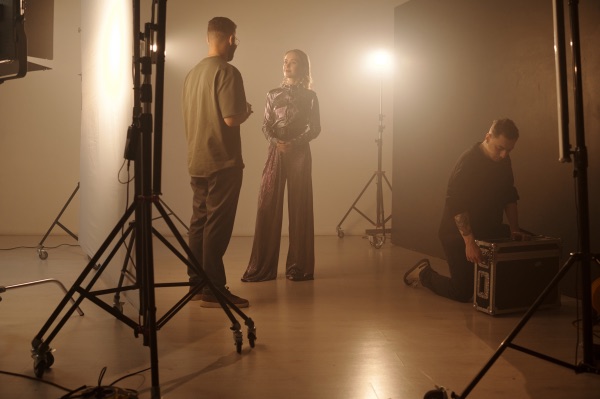
Pre-production planning with clear client brief saves time and budget during production
Questions Worth Asking Yourself
These questions help clarify what you actually need:
Is video the right format? Sometimes text, infographics, or photography serve your audience better. Video is powerful, but it is not always the answer. If the information is complex, detailed, or changes frequently, other formats might work better.
Are we ready to make this? Do you have approval from everyone who needs to sign off? Is the messaging settled? Knowing you are ready means production can move smoothly rather than stopping for internal discussions.
Who makes final decisions? Someone needs authority to approve scripts and review cuts. If multiple departments need to review the video, designate one person to consolidate feedback. Getting five separate rounds of notes from different stakeholders adds time and cost. One coordinated round of feedback keeps the project moving efficiently.
How will we actually use this video? Where does it go? Who uploads it? Who shares it? Thinking through distribution before production means the video actually gets used rather than sitting on a hard drive.
What Helps (But Is Not Required)
These things make everything smoother:
Examples of videos you like. Not to copy. To understand what resonates with you. Send a few examples and explain what works about them. This communicates your aesthetic preferences better than descriptions.
Flexibility on approach. The best briefs explain the problem clearly and stay open to suggestions. You know your organisation. We know what works on camera. Collaboration gets better results than rigid specifications.
Common Brief Challenges (And How to Avoid Them)
Trying to make one video do everything. A video optimised for Instagram probably will not work well in presentations. A website video is different from internal training. Pick the primary use and optimise for that. You can create variations later.
Using vague language. Words like "engaging" or "dynamic" or "authentic" mean different things to different people. Examples are clearer than adjectives. Show what you mean rather than describing it.
Being unrealistic about timeline. If approval takes two weeks and you are unavailable for filming next week, that affects what is possible in three weeks. Understanding how production timelines work helps everyone plan effectively.
Worrying your brief is not professional enough. Clear is better than formal. Two pages of useful information beats ten pages of corporate language that obscures what you actually need.
What Happens After You Send Your Brief
Good filmmakers will ask questions. This is not because your brief was inadequate. This is because we are trying to understand exactly what you need.
Expect a conversation, not just a quote. We will ask about your audience, your goals, your constraints. We will explain what is possible within your budget and timeline and suggest approaches that might work.
The written brief gets us to that conversation efficiently. That is its job.
When to Pause
If you are still figuring out your core message or who the audience really is, it is worth taking time to clarify before starting production. A video made without clear direction usually needs expensive revisions. Better to get clarity first. Understanding what happens in post-production helps set realistic expectations for revision rounds.
If you cannot get approval or decision-making authority sorted, wait. Production moves faster and costs less when decisions can happen promptly.
Example of a Clear Brief
Here is what a straightforward, useful brief looks like:
"We are a mental health NGO in Auckland providing counselling services to young adults aged 18-25. We need a 2-3 minute video for our website homepage explaining what we do and encouraging people to book an initial consultation.
Our audience is young adults experiencing anxiety or depression who have never tried counselling. They are often sceptical about whether counselling will help and worried about cost, time commitment and what actually happens in sessions.
Key messages: Counselling is for everyone, not just crisis situations. Initial consultation is free. Our counsellors specialise in young adult mental health. You stay in control of the process.
We would like to include interviews with past clients (we have consent in place). We want the tone to be warm and reassuring without feeling clinical or corporate.
Budget: $6,000-$9,000 depending on what is involved. Timeline: We are launching a new website in three months and would like the video ready for that, but we have some flexibility. We can provide brand guidelines, logos and photos of our spaces.
We have seen some corporate health videos that felt too polished and impersonal. We want something that feels genuine and supportive."
That brief gives me what I need. Purpose, audience, key points, practical constraints and sense of tone. I can propose an approach that fits and quote accurately. For NGOs specifically, understanding documentary approaches for nonprofit work helps frame these briefs effectively.

Initial conversation after brief submission helps clarify project scope and approach
Starting the Conversation
A brief is not a comprehensive document. It is a starting point for conversation. Video production works best as collaboration. You know your organisation and audience. We know what works on camera and how to structure stories effectively.
You do not need technical knowledge. You do not need to understand cameras or editing. You need to understand what you are trying to achieve and who you are trying to reach.
That clarity makes everything work better.
What information should I include in a video production brief?
Include the purpose and context of the video, your specific audience, three to five key messages, practical details like budget and timeline, what assets you already have and what styles or approaches you want to avoid. Keep it clear and focused rather than comprehensive.
How much budget information should I share with a filmmaker?
Share your budget range upfront. It helps filmmakers suggest what is realistic within your constraints rather than proposing things that will not work for you. Saying you have a budget does not lock you into spending it. It helps scope the project appropriately.
Do I need technical knowledge to brief a filmmaker?
No. You do not need to understand cameras, lighting, or editing. You need to understand what you are trying to achieve and who you are trying to reach. Filmmakers handle the technical aspects. You provide the strategic direction.
How do I handle video feedback from multiple departments?
Designate one person to consolidate feedback. Getting five separate rounds of notes from different stakeholders adds time and cost. One coordinated round of feedback from a single point of contact keeps the project moving efficiently.
What if I am still figuring out my message?
Wait until you have clarity before starting production. A video made without clear direction usually needs expensive revisions. Better to delay and get internal alignment first than pay for multiple revision rounds later.
Should I include examples of videos I like in my brief?
Yes, this helps enormously. Send a few examples and explain what works about them. This communicates your aesthetic preferences and expectations better than paragraphs of description.
See Examples of Effective Briefing
These projects demonstrate what happens when clients provide clear direction and collaborate effectively:
About the Author
Diego Opatowski is a documentary filmmaker, Director of Photography and visual journalist based in Auckland, New Zealand. He works with NGOs, government agencies and organisations across New Zealand on video production that communicates clearly and connects authentically.
His work includes corporate video production, mental health awareness campaigns, infrastructure case studies and documentary projects across social impact sectors. Diego's approach prioritises understanding client needs before production begins.
If you are planning video production in Auckland or across New Zealand, get in touch to discuss your project.
Mental Health Awareness Week case studies • Nōku te Ao lived experience videos • Chorus infrastructure case study • CHUR campaign