
Should We Film Ourselves or Hire a Professional? (An Honest Answer)
Your organisation needs a video. Someone in the team has a decent camera or a recent iPhone. You're wondering if you can just film it yourselves.
It's a fair question. Phone cameras have gotten genuinely good, and professional video production isn't cheap. So when does it make sense to film yourself versus hiring someone?
Here's an honest answer based on what actually works in New Zealand.
Film yourself when content is for people who already trust you and timeliness matters more than polish. Hire a professional when the video represents your organisation to new audiences, asks for money or action, needs to last months or years on your website, or must meet broadcast standards. The biggest DIY pitfall is audio. People tolerate average video but won't watch content with bad sound.
When does filming yourself make sense?
Filming yourself works for content going to people who already know and trust your organisation.
Social media updates showing day to day work. Quick event coverage where authenticity matters more than polish. Internal communications where staff already know the context. Behind the scenes content where rough edges add to the credibility.
If the content is timely or informal, and the audience already has a relationship with you, filming yourself often works well. Production quality matters less than getting the content out while it's relevant.
We've seen organisations do this effectively. Quick response videos during crisis situations. Staff sharing programme updates for existing clients. Event highlights posted the same day while people still remember being there.
The key is knowing what this content is for and who will see it.
When do you need professional video production?
You need professional filming when the video represents your organisation to people who don't know you yet.
Fundraising videos asking for donations or investment. Campaign videos raising awareness about issues. Case studies demonstrating programme impact to potential funders. Recruitment videos attracting quality staff. Anything on your homepage that's the first thing someone sees about your work.
Production quality affects whether people take you seriously. Not because funders are snobs about video quality, but because poor production suggests you might not be professional in other areas too.
And if the video needs to meet broadcast standards for television, cinema advertising, or streaming platform ads like TVNZ+, there's no question. Broadcast and streaming platforms have technical requirements for resolution, colour space, audio levels and format that phone footage can't meet.
When we filmed the Mental Health Awareness Week campaign in Auckland, the production quality wasn't decoration. It communicated that Mental Health Foundation takes these stories seriously enough to film them properly.
Phone footage vs professional filming: the real difference
The difference isn't the camera. Modern phones shoot excellent video.
The difference is knowing what to film and how to film it.
Where do you put the camera so the shot feels natural rather than awkward? How do you frame someone to make them look comfortable rather than trapped? What do you include in the background and what do you exclude? When do you stay wide and when do you go close?
These decisions happen hundreds of times during a shoot. Each one is small. Together they determine whether the video feels professional or amateur.
Then there's sound. Phone microphones pick up everything: echo, air conditioning, traffic, room noise. In Auckland's open plan offices or busy street locations, this becomes a real problem. Professional sound quality is one of the biggest differentiators.
People will watch average video quality but they won't sit through bad audio.
And editing. Knowing which moments to keep and which to cut. How long to hold on someone's face. When to use their words and when to show b-roll instead. Pacing that keeps attention without feeling rushed. DIY struggles with longer content that requires sustained quality.
You can learn all of this. But if you're running an organisation, learning professional video production probably isn't the best use of your time. If you're weighing up the investment, our pricing guide gives you honest numbers for what professional corporate video actually costs in Auckland.
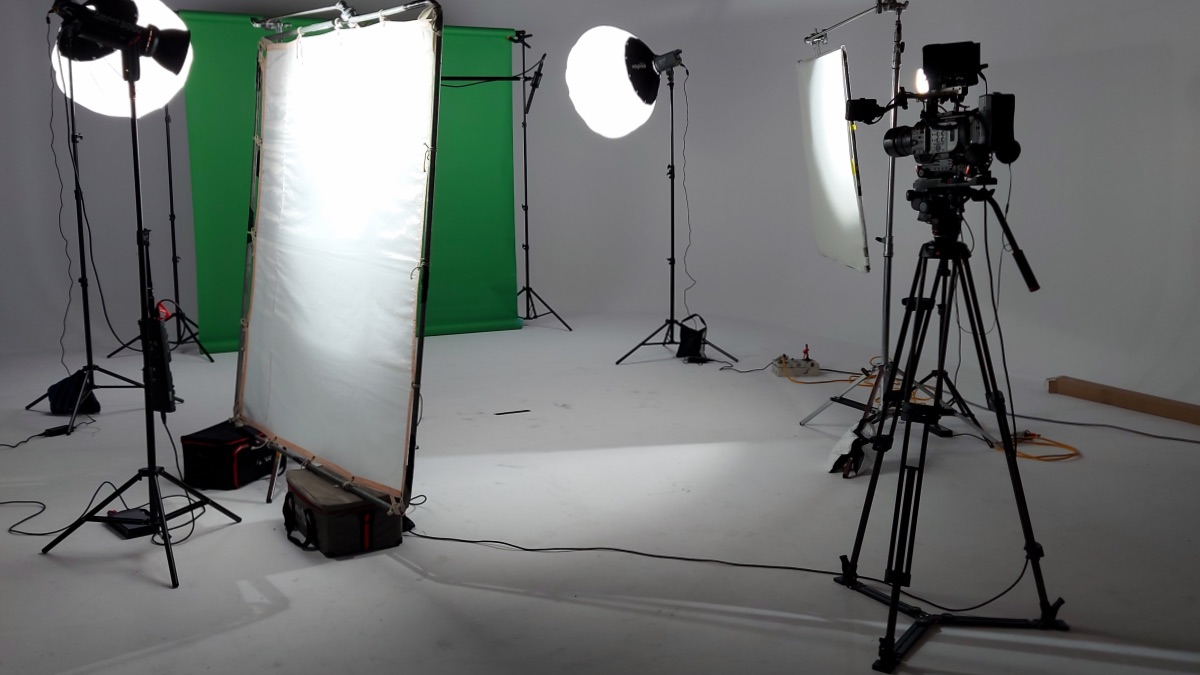
Professional lighting and audio setup makes the difference between amateur and broadcast-ready footage
What mistakes do people make filming themselves?
The most common mistake is thinking good lighting means bright lighting.
We've seen organisations film in rooms with massive windows behind the subject. The person ends up as a dark silhouette because the camera exposes for the bright window, not the face. Or they film under harsh overhead office lights that create shadows under eyes and make everyone look tired.
Natural light from the side works better than any light from behind or above. But you need to know where to position people relative to windows. Most people don't think about this until the footage looks wrong.
The second mistake is assuming the built-in phone microphone will work.
It won't. Not for anything you want other people to watch. Even in a quiet room, phone audio sounds distant and unclear compared to a microphone positioned close to the speaker.
You can buy a decent external microphone for a phone. But then you need to know how to position it, monitor the levels and avoid clothing rustle or handling noise. These are skills, not just equipment.
The third mistake is not having a plan for what you're filming.
Professional filming starts with knowing what story you're telling and what you need to tell it. DIY filming often starts with "let's just capture everything and figure it out later." That creates hours of footage with no clear narrative. Professional B-roll coverage requires equipment and experience DIY typically lacks.
Editing can't fix a shoot that didn't have a plan. See our post on fixing it in post for what's actually possible.
Can you hire professional for part of the project?
Yes, and this sometimes works well for organisations with limited budgets.
Some organisations do thorough pre-production themselves: write interview questions, scout locations, identify subjects, plan the schedule. Then they hire a professional crew for one efficient shoot day. This works when you know your content well and the crew just needs to capture it properly.
Other organisations hire for the shoot and edit, but handle everything else. They coordinate subjects, arrange locations, manage stakeholder approval. The filmmaker shows up, films professionally, delivers edited content. This works for straightforward projects without complex storytelling.
The approach that doesn't work is hiring cheap and expecting professional results. You get what you pay for across New Zealand video production, and trying to save money by hiring inexperienced people usually means redoing the work later.
How do you decide whether to film yourself or hire someone?
Ask yourself these questions:
Is this video representing us to people who don't know us yet?
Will this video be used to ask people for money, attention, or action?
Does this video need to work, or can it just exist?
Is this going on our website where it represents our organisation for months or years?
Does this need to meet broadcast standards for TV, cinema, or streaming platforms in New Zealand?
If you answered yes to any of those, hire someone who knows what they're doing.
Is this quick content for people who already trust us? Is this time sensitive where speed matters more than polish? Is this internal or for existing community?
If yes to those, filming yourself is probably fine.
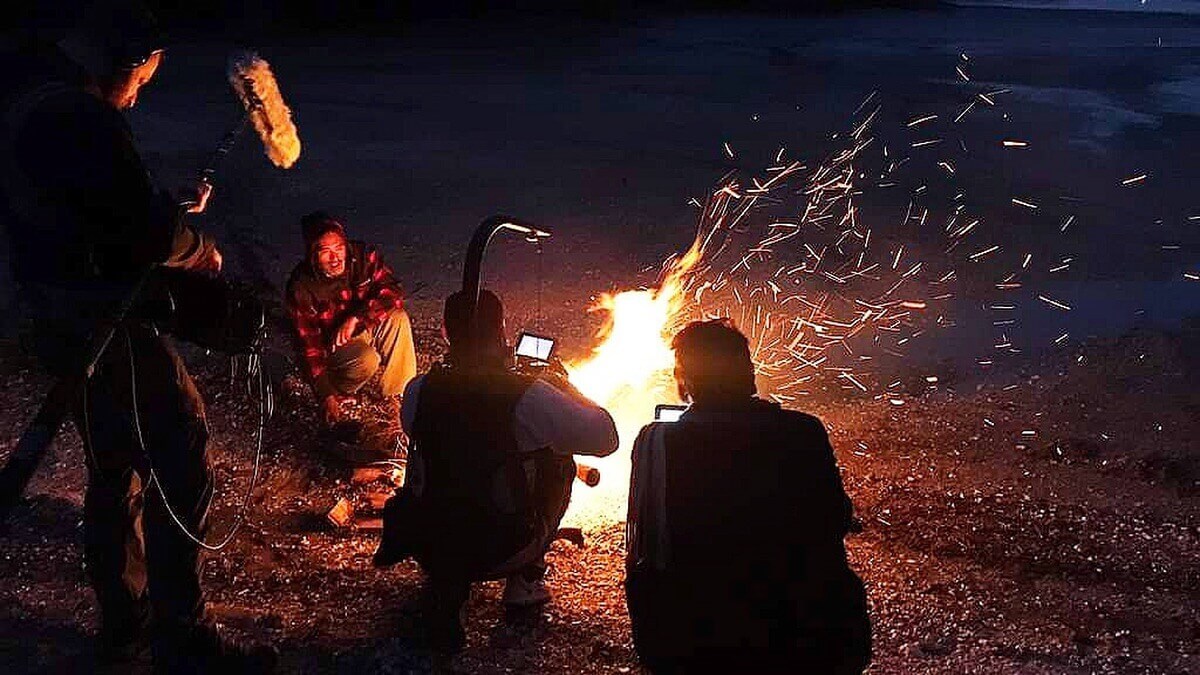
Professional crew bring experience in framing, lighting and audio that shapes how audiences perceive your organisation
When should organisations film it themselves?
Sometimes the best recommendation is that you don't need professional help.
If you're posting quick updates to your existing social media following, film it on your phone. If you're capturing an event for people who were there, use whatever camera you have. If you're making internal content for staff who know the context, keep it simple and fast.
Professional production adds value when you're trying to reach new people or convince someone to care about your work. Be honest about which situation you're in, and the decision becomes straightforward.
Frequently asked questions about DIY vs professional video
Can I film professional quality video on my phone?
Modern phones can shoot high resolution video, but professional quality requires more than the camera. You need proper audio recording, controlled lighting, skilled framing and composition and experienced editing. Phone footage works for social media and informal content, but won't meet broadcast standards or professional presentation requirements for organisations in New Zealand.
When do you need to hire a professional videographer in Auckland?
Hire professional when the video represents your organisation to new audiences, when you're asking for donations or investment, when content needs to meet broadcast standards for TVNZ+ or cinema advertising, or when the video will be used for months or years on your website. Professional production matters when credibility affects whether people trust your organisation.
What's the most common mistake organisations make filming themselves?
Poor audio is the biggest issue. Phone microphones pick up echo, air conditioning, traffic noise and room ambience. Even in quiet spaces, phone audio sounds distant and unprofessional compared to proper microphones positioned close to speakers. People will tolerate average video quality but won't watch content with bad sound.
How much does professional video production cost in Auckland compared to filming yourself?
Filming yourself costs equipment time and staff time but saves production fees. Professional video production in Auckland ranges from a few thousand dollars for simple projects to tens of thousands for campaign work, depending on scope and complexity. The real question isn't cost comparison but whether DIY quality will achieve what you need the video to do.
Can you hire professional filming for just part of a video project?
Yes. Some Auckland organisations handle pre-production and planning themselves, then hire professional crew only for the shoot day. Others hire for filming and editing but manage coordination and approvals internally. This works for straightforward projects when you know your content well. It doesn't work when you're trying to save money by hiring inexperienced people for critical parts.
Do you need broadcast quality video for social media?
No. Social media content works fine filmed on phones or basic cameras, especially when it's timely or informal. But if you're creating content that will also appear on television, cinema, or streaming platforms like TVNZ+, you need professional production that meets broadcast technical standards from the start. Filming separately for different platforms wastes time and money.
Video Production Examples
These projects demonstrate professional video production across different campaign types and organisations:
Cost & Time Comparison: DIY vs Professional
Honest recommendation: DIY works for simple internal videos or social media updates. For anything involving lived experience, mental health, or external audiences (donors, stakeholders, media), professional production reduces risk and delivers better results.
About the Author
Diego Opatowski is a documentary filmmaker and Director of Photography based in Auckland, New Zealand, specialising in professional video production for NGOs, government agencies and social impact organisations.
His work includes Mental Health Awareness Week campaigns, Chorus infrastructure projects, All Sorts cyclone recovery content and broadcast commercials for PlaceMakers and Fletcher Steel. Diego's approach balances professional production standards with documentary storytelling techniques for organisations across New Zealand.
If you're deciding between DIY video and professional production in Auckland, get in touch to discuss what approach makes sense for your project.
View video production examples • About Diego • Corporate video interview guide • Mental health video production