
Trauma-Informed Filming: Ethical Documentary Production
This is the methodology I use when filming mental health campaigns, lived experience stories and content involving vulnerable populations. It comes from 20 years of documentary work including mental health campaigns, suicide prevention content, recovery stories and filming with victims of natural disasters and terror attacks.
The approach prioritizes subject wellbeing at every stage. Pre-production, filming and post-production all require specific protocols that differ from standard video production.
Trauma-informed filming requires 80% preparation and 20% filming. The methodology covers four phases: readiness assessment, crew and environment preparation, on-set safety protocols and ethical post-production. Subject wellbeing takes priority over footage at every stage.

What trauma-informed filming means
Trauma-informed filming recognizes that the production process itself can cause harm if handled carelessly. People sharing difficult experiences on camera are vulnerable. The environment, the questions, the crew dynamics and the editing choices all affect their wellbeing.
This methodology treats filming as a collaboration where the subject retains control over their story. Consent is ongoing, not a single signature. Safety structures exist at every stage. The footage serves the subject's truth, not just the client's message.
Phase 1: Readiness assessment
Before committing to film anyone sharing trauma or lived experience, I assess whether they're ready.
Pre-interview process
I have a conversation with potential subjects before any filming commitment. This is not an audition. It's an assessment of stability and readiness.
Questions I consider:
- How recent is the experience they're sharing?
- Have they processed it with professional support?
- Do they have a support system around them?
- What's their motivation for sharing?
- Can they talk about it without becoming destabilized?
Someone in active crisis is not ready to film. Someone who breaks down describing the experience may need more time. Someone with clear perspective and purpose is more likely to have a positive experience.
Red flags
I recommend against filming when:
- The experience is very recent (typically under 12 months for significant trauma)
- The person has no professional support in place
- They seem to be seeking validation or closure through filming
- External pressure is driving participation
- They cannot discuss the topic without significant distress
These are guidelines, not rules. Context matters. But rushing someone who isn't ready serves no one.

Phase 2: Pre-production protocols
Once someone is confirmed, pre-production focuses on creating conditions for a safe filming experience.
Support structure establishment
Before planning any shots, I establish:
- Who is the designated support person on set?
- How can the subject signal they need to pause?
- Where can they step away privately if needed?
- What happens if they want to stop entirely?
- Who follows up with them after filming?
These questions get answered before locations are scouted or schedules are set.
Crew selection criteria
Technical skill matters. But for trauma-informed work, I prioritize:
- Prior experience filming vulnerable populations
- Maturity and emotional regulation
- Ability to read discomfort and respond appropriately
- Understanding of confidentiality
- Willingness to follow protocols without question
I choose crew who have filmed in treatment centers, with families in crisis, with people sharing trauma. Someone technically excellent but emotionally tone-deaf can undo all the careful preparation.
Crew size stays small. Every additional person increases pressure on the subject. Two to three people maximum in the room during interviews.
Crew briefing
Before the shoot day, every crew member is briefed on:
- General subject background (without oversharing personal details)
- What might be discussed on camera
- Support protocols and pause signals
- What to do if someone becomes distressed
- Confidentiality requirements
Location considerations
Location scouting for trauma-informed work considers:
- Does the space feel safe and private?
- Is there somewhere to step away if needed?
- Are there potential triggers in the environment?
- Can we control interruptions?
- Does the subject feel comfortable there?
I've chosen less visually interesting locations because they offered better privacy and comfort. The subject's experience matters more than the shot.
Phase 3: On-set safety protocols
On the day of filming, specific protocols maintain safety throughout.
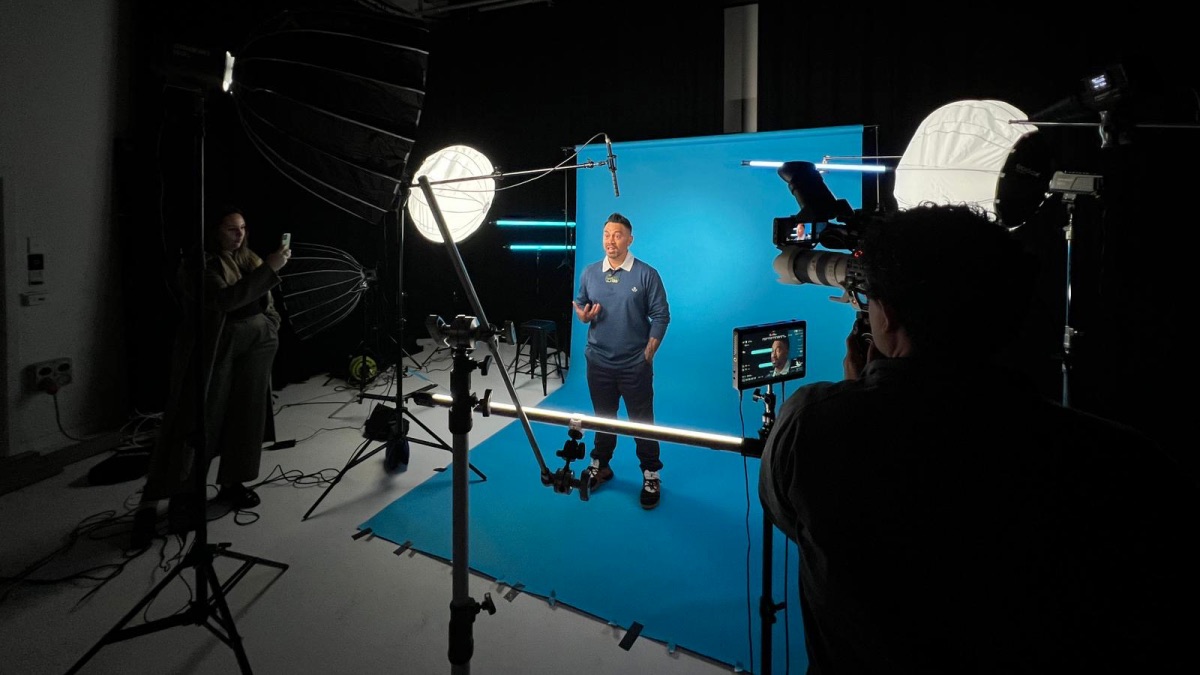
Environment setup
- Minimal equipment visible
- Support person present and accessible
- Private space available for breaks
- Water and tissues within reach
- Calm, unhurried atmosphere
Before rolling camera
I always tell subjects:
- You can pause anytime
- You can start over
- You can skip any question
- You can stop entirely without explanation
- This isn't live. We can cut anything
These aren't formalities. They're genuine options that get exercised.
Interview approach
Trauma-informed interviewing differs from standard documentary technique:
- Open questions rather than leading ones
- Focus on resilience and recovery, not trauma details
- Allow silence without filling it
- Watch for signs of distress
- Check in periodically: "How are you doing?"
- Respect when someone indicates they're done with a topic
One question I use consistently: "What advice would you give to your younger self?" This tends to bring forward useful, hopeful content rather than dwelling on pain.
When distress occurs
If a subject becomes distressed:
- Camera stops immediately (no "just keep rolling")
- Support person engages
- Subject decides next steps
- No pressure to continue
- Option to resume later, another day, or not at all
The footage is never worth someone's wellbeing.

Phase 4: Ethical post-production
Post-production carries its own ethical requirements.
Editing principles
- Cut for accuracy and meaning, not shock value
- Preserve context around difficult statements
- Don't combine content to create implications the subject didn't intend
- Respect the story they chose to tell, not a more dramatic version
Subject review
Subjects review the final edit before publication. This is not optional.
The review process:
- Private link shared before any public release
- Time to watch and reflect (typically 1-2 weeks)
- Clear invitation to request changes
- Changes made without resistance
- Option to withdraw consent entirely
Withdrawal of consent after filming has happened. It's disappointing but acceptable. The alternative, someone's story being public against their wishes, is not acceptable.
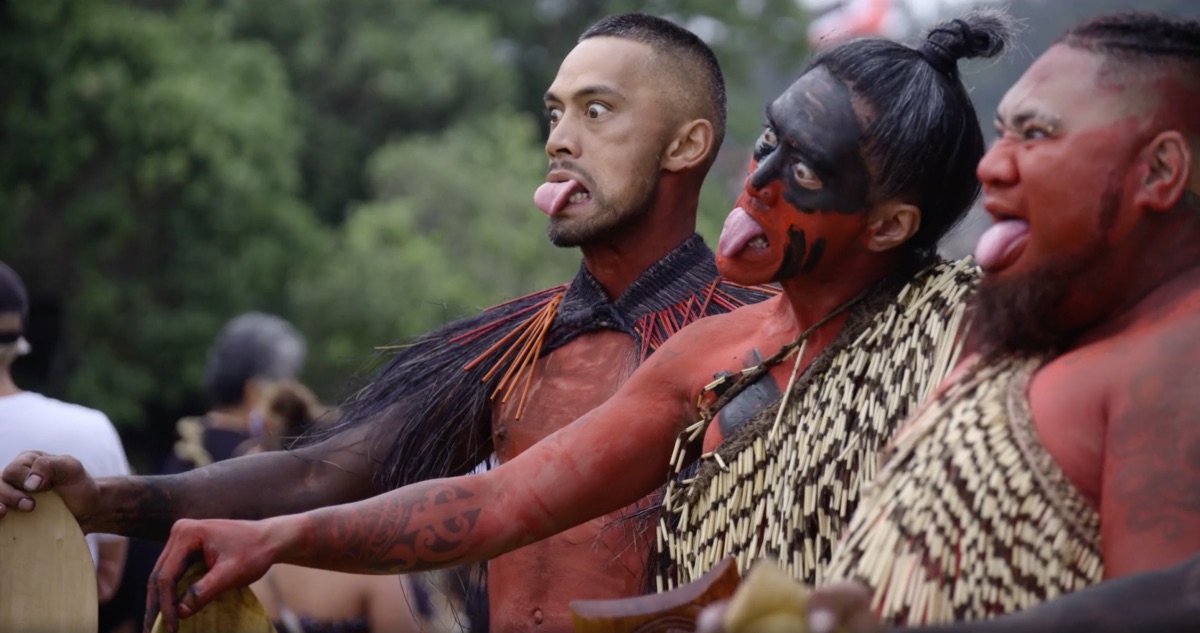
Cultural considerations for Aotearoa
Filming in New Zealand requires additional cultural competency, particularly when working with Māori and Pasifika communities.
Māori cultural protocols
- Karakia (prayer/blessing) at the start and end of filming when appropriate
- Understanding of tikanga around image and representation
- Whānau involvement in decisions about participation
- Time for subjects to consult with family before agreeing
- Cultural advisors present or consulted beforehand when filming kaupapa Māori content
Pasifika considerations
- Understanding of family and community structures
- Awareness that individual consent may involve family consultation
- Respect for church and spiritual contexts
- Recognition of different communication styles
These aren't boxes to tick. They're frameworks for respectful collaboration that take time to learn and apply properly.
Cost implications
Trauma-informed production costs more than standard corporate video. Typically 20-30% more.
The additional cost covers:
- Extended pre-production for trust-building (2-4 weeks)
- Longer filming schedules with built-in flexibility
- Smaller, more experienced crews
- Careful post-production with subject review
- Expertise in sensitive content handling
This is not equipment cost. It's time and care. Organizations filming vulnerable populations should budget accordingly.
When to use this methodology
Trauma-informed practices apply when filming:
- Mental health campaigns and lived experience stories
- Suicide prevention and recovery content
- Domestic violence survivors
- Addiction and recovery stories
- Grief and loss content
- Disability and chronic illness narratives
- Cultural trauma and historical injustice
- Anyone sharing difficult personal experiences
Not every NGO video needs this level of care. A case study about infrastructure projects doesn't require trauma protocols. But any content involving vulnerable subjects does.
Projects using this methodology
These case studies demonstrate trauma-informed production across different contexts:
Frequently asked questions
What is trauma-informed filming?
Trauma-informed filming is a documentary production approach that prioritizes subject wellbeing throughout the filmmaking process. It involves pre-production protocols to assess readiness, crew selection based on experience with vulnerable populations, on-set safety practices including support persons and break protocols, and post-production ethics including subject review of final content.
How do you select crew for trauma-informed productions?
Crew selection prioritizes maturity and lived experience over technical credentials alone. We choose crew who have filmed in treatment centers, with families in crisis, or with people sharing trauma. Everyone on set is briefed on subject backgrounds and support protocols before filming begins. Smaller crews reduce pressure on subjects.
How much does trauma-informed video production cost?
Trauma-informed production typically costs 20-30% more than equivalent corporate video. The additional cost covers extended pre-production for trust-building, longer filming schedules with built-in flexibility, smaller experienced crews, careful post-production with subject review, and the expertise required to film sensitively.
What happens if a subject becomes distressed during filming?
Filming pauses immediately. The subject decides whether to continue, take a break, or stop entirely. Support persons are available. No one is pressured to continue. Consent is ongoing throughout the process. Subject wellbeing takes priority over footage.
Do subjects review footage before publication?
Yes. Subjects review the final edit before publication. They can request changes or withdraw consent even after filming is complete. This is standard practice for trauma-informed production. The review process typically adds 1-2 weeks to the timeline but is essential for maintaining trust and ensuring ongoing consent.
When should organizations use trauma-informed filming?
Trauma-informed practices apply when filming mental health campaigns, suicide prevention content, domestic violence survivors, addiction recovery stories, grief and loss content, disability narratives, cultural trauma topics, or anyone sharing difficult personal experiences. Standard corporate video does not require these protocols.
About the author
Diego Opatowski is a documentary filmmaker and Director of Photography based in Auckland. His trauma-informed work includes Mental Health Awareness Week campaigns, CHUR suicide prevention campaign, Nōku te Ao lived experience documentary, All Sorts Cyclone Gabrielle recovery content, and filming with survivors of natural disasters and terror attacks.
His credentials include a SOPA Award for Excellence in Human Rights Reporting, Qantas Media Award winner, camera operator on RNZ's The 9th Floor documentary series, and judge for the Mental Health Foundation Film Festival.
For trauma-informed video production in Auckland or across New Zealand, see our social impact video service or get in touch to discuss your project requirements.