
The shoot day finishes. You have hours of footage. Someone asks when the video will be ready. You say a few weeks. They look confused. The filming only took one day.
This happens on almost every project I work on in Auckland. I often explain to clients that post-production takes time and requires just as much skill and attention as filming. Clients understand filming takes time and costs money. They do not always understand that post-production often takes longer than filming.
This guide explains what actually happens after the cameras stop, why each stage matters and what affects how long it takes to get from raw footage to finished video.
Post-production typically takes 2-4 weeks for standard projects: footage review, draft edit, 2 revision rounds, picture lock, then color grading and sound mixing. Client feedback speed is the biggest variable. Quick turnarounds keep projects on track, slow approvals extend timelines significantly.
The Basic Post-Production Workflow
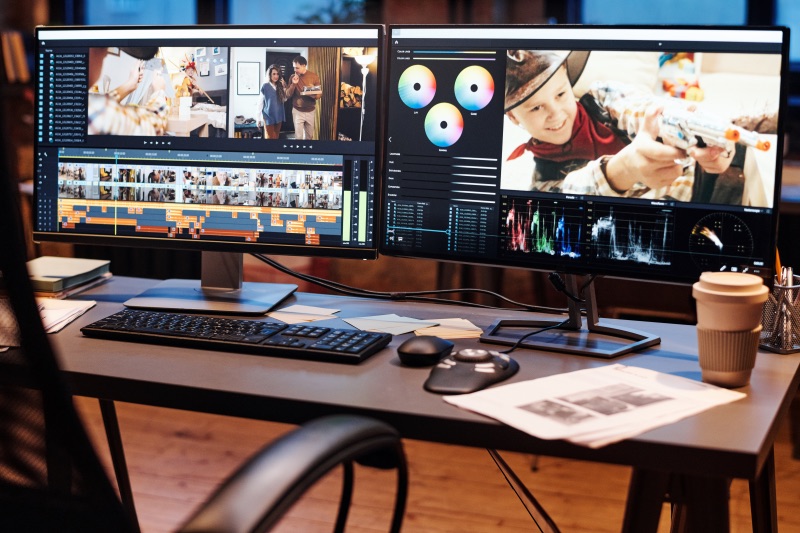
Here is the standard process for most documentary and campaign videos:
After the shoot day: Footage review and content selection. Draft edit: First assembly showing structure and pacing. Client review: Feedback on draft. Revisions: Apply changes and refinements. Additional review rounds: If needed, until edit is approved. Picture lock: Edit is final, no more changes. Professional sound mix: If budget allows. Color grading: If budget allows. Final delivery: Encoding and file delivery.
Each stage has purpose. Skipping stages or rushing them compromises quality. Understanding why each stage exists helps you plan realistic timelines.
After the Shoot Day: Reviewing Footage
A one day shoot might generate 3 to 5 hours of footage. Someone needs to watch all of it, understand what was captured, identify the strongest moments and figure out how it fits together.
This is not passive watching. This is active review, taking notes, marking good takes, identifying issues and planning structure.
Two Approaches to Content Selection
Option 1: I select the content. I watch all the raw interviews, identify the strongest soundbites and build the story from what I think works best. This is efficient and uses my experience in knowing what makes compelling content.
Option 2: Client selects soundbites. I send the raw interview footage with timecode. The client watches it, selects their preferred soundbites and sends me a list with timecode references. I build the edit from their selection.
Option 2 takes longer overall (client needs time to watch and decide) but some organizations prefer this level of control, especially when dealing with sensitive content or specific messaging requirements.
Either way, content selection happens before editing begins. You cannot edit what you have not reviewed.
Draft Edit: The First Assembly
The draft edit is your first look at how the video will work. It shows structure, pacing, content selection and overall story. It is not polished. It is functional.
A draft edit includes basic cuts and transitions, rough audio levels, possibly temporary music to indicate pacing and the general flow of the story.
A draft edit does not include final color correction, professional sound mix, refined graphics or titles, or polished transitions and effects.
The purpose of the draft is to get feedback on whether the story works before investing time in refinement. Does it have the right tone? Is anything missing? Does the pacing feel right? Are we telling the story the client needs to tell?
Changes are easier and faster at draft stage than after everything is polished.
Client Review and Feedback
This is where timeline gets unpredictable. I can control how long editing takes. I cannot control how long feedback takes.
Fast feedback (2 to 3 business days) keeps the project moving efficiently. I stay in the project headspace, remember creative decisions and apply changes smoothly.
Slow feedback (2 to 3 weeks) extends timeline significantly. I move to other projects, lose context and need time to get back into the specific creative space of your video.
What Makes Feedback Efficient
Single point of contact. One person consolidates feedback from stakeholders and sends one coherent set of notes. This prevents contradictory feedback from multiple people and keeps communication clear.
Specific timestamps. Instead of "the middle section feels slow," say "from 1:30 to 2:15 feels slow, can we tighten this." Specific feedback gets specific fixes.
Prioritized changes. What is essential versus what is nice to have. This helps me allocate time appropriately and deliver what matters most.
Reasonable expectations. If the draft shows five people and you want to add three more people, that is not a revision, that is additional filming and a substantially different video.
Revision Rounds
Most projects include two rounds of revisions after the draft edit.
First revision round addresses major changes. Restructuring sections, different content selection, pacing adjustments, adding or removing segments. These are substantive changes that affect the overall video.
Second revision round covers refinements. Tightening specific moments, adjusting individual transitions, fine tuning audio levels, tweaking timing on particular sections.
If the project needs more revision rounds, that is possible, but it affects timeline and potentially budget depending on scope. Major restructuring in round three suggests the brief or content selection was not clear enough at the start.
Picture Lock: The Point of No Return
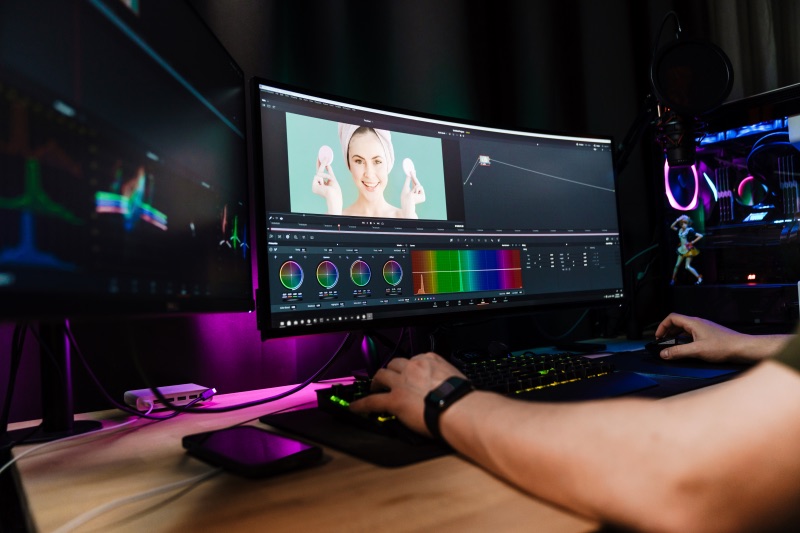
Picture lock means the edit is final. No more changes to timing, content, structure, or any visual element. This is locked.
Why does this matter? Because professional color grading and sound mixing are expensive processes that rely on the edit being finished. If you change the edit after color grading starts, the colorist has to redo work. This costs time and money.
Picture lock is the commitment that this is the final version before professional finishing begins.
Some clients want to make small changes after picture lock. A small change might be small in their mind but require regrading an entire scene or remixing audio stems. Picture lock exists to prevent this.
Professional Sound Mixing
Not every project needs professional sound mixing. Small internal videos or basic social content can skip this stage if budget is limited.
But anything going to TV, cinema, paid social campaigns with decent budgets, or representing your organization publicly benefits enormously from professional sound.
What Professional Sound Mixing Involves
Cleaning up dialogue (removing background noise, hum, room tone issues). Balancing levels across different speakers and scenes. Adding subtle sound design where appropriate. Ensuring broadcast standards for loudness and dynamics. Creating a professional sonic experience that matches the visual quality.
Good sound is invisible. Bad sound is immediately obvious and makes even beautiful footage feel amateur.
Professional sound mixing typically happens at a dedicated sound studio with a sound engineer who specializes in this work. It is a separate service from editing.
Color Grading
Color grading is the final visual polish. It makes footage shot across different times of day, different lighting conditions and different cameras look consistent and intentional.
Basic color correction (making sure skin tones are accurate, whites are white, exposure is consistent) happens during editing. Professional color grading goes beyond this to create a specific look and mood.
What Happens in a Grading Suite
I spend a day at the colorist suite working with a professional colorist on calibrated monitors in a controlled environment. We go through the video scene by scene, refining colors, contrast, mood and visual consistency.
This is collaborative. I communicate the creative intent, the colorist uses their technical expertise and tools to achieve it. The result is footage that looks polished, intentional and professional.
Like professional sound, not every project needs this level of finishing. But for anything representing your organization publicly, going to broadcast, or part of a significant campaign, professional grading makes a visible difference.
Projects That Skip Professional Finishing
If the project is very small, there may not be budget for professional sound mixing and color grading. In these cases, I do basic color correction and audio cleanup as part of editing.
The video will still be good. It will be clear, watchable and functional. But it will not have the same polish as something that went through full professional finishing.
This is a budget decision, not a quality judgment. Small projects with limited budgets can absolutely produce valuable content. You just need realistic expectations about what the finishing level will be.
Final Delivery and Encoding
Once everything is approved and finished, the video needs to be encoded for delivery. This means creating files in the right formats, resolutions and codecs for where the video will be used.
Broadcast delivery has specific technical requirements. Social media platforms each have their own specifications. Web embedding works best with certain formats.
If you need multiple versions (widescreen for web, vertical for social, different lengths for different platforms), each version needs to be encoded separately. This adds time to final delivery.
What Actually Takes Time in Post-Production
People often think editing is just cutting footage together. That is one part. Here is what actually consumes time:
Reviewing all footage. Hours of watching, note taking and content selection before editing begins.
Story development. Figuring out structure, pacing, what to include, what to cut, how to make it compelling.
Refinement. The difference between a rough assembly and a polished video is dozens of small decisions and adjustments.
Waiting for feedback. This is often the longest part of the timeline and completely outside the editor's control.
Technical work. Color grading, sound mixing, encoding, quality control, delivery file preparation.
A one day shoot might generate a video that takes three weeks of post-production work. This is normal and necessary to deliver quality.
Realistic Timeline Expectations
Here are typical timelines for different project types, assuming reasonable feedback speed:
Simple project (one day shoot, single video, basic finishing): 1 to 2 weeks from shoot to delivery.
Campaign with multiple videos (multi-day shoot, several deliverables, full professional finishing): 3 to 4 weeks from final shoot day to delivery.
Documentary or complex story (extensive footage, careful editorial decisions, multiple stakeholders): 2 to 4 months from shooting completion to final delivery.
These timelines assume efficient client feedback. Slow feedback can double these timelines.
What Slows Down Post-Production
Understanding what causes delays helps you avoid them:
Late or Slow Feedback
Every day feedback is delayed, the project timeline extends. If you need the video by a specific date, work backwards from that date to figure out when feedback needs to happen.
Multiple Stakeholders Without Clear Process
Five people all sending separate feedback creates contradictory notes and confusion. Consolidate feedback through one person who can resolve conflicts before it reaches the editor.
Scope Creep
Asking for additional content, new sections, different subjects, or substantial changes beyond the original brief extends timeline and potentially budget. These are not revisions, they are new work.
Changes After Picture Lock
Once the video is locked and goes to color or sound, changes become expensive and time consuming. Get your feedback in before picture lock.
Unclear Brief or Goals
If we are guessing what you want, revisions take longer because we are iterating toward a target that was never clearly defined. Clear brief at the start saves enormous time in post.
How to Keep Your Project On Track
Establish realistic timeline at the start. Ask your filmmaker how long post-production will take and build that into your project plan.
Commit to feedback deadlines. If you need the video by a certain date, you need to provide feedback by certain dates. Schedule this in advance.
Consolidate stakeholder input. One person gathers all feedback, resolves conflicts and sends clear consolidated notes.
Be specific in feedback. Timestamps, clear direction, prioritized changes. Vague feedback leads to vague revisions.
Understand picture lock. Once you approve the edit and it goes to finishing, changes become expensive. Get your feedback in before this stage.
Budget appropriately. Professional finishing costs money but makes a significant difference in perceived quality. Decide at the start whether your project needs this level or can work with basic finishing.
Questions About Post-Production
Why does post-production take longer than filming?
A one day shoot might generate 3 to 5 hours of footage. Watching all that material, selecting the best moments, assembling them into a coherent story, refining the edit, adding graphics, color grading and sound mixing takes significantly longer than capturing it. Each stage requires focused attention and often multiple rounds of review and revision.
What is a draft edit or rough cut?
A draft edit is the first assembly of your video showing structure, pacing and content selection. It has basic transitions and may include temporary music, but no color grading or professional sound mix. This is where you review whether the story works, if anything is missing and what needs adjustment before we refine it further.
How many revision rounds are included?
Most projects include two rounds of revisions after the draft edit. First round addresses major changes like restructuring, different content selection, or pacing adjustments. Second round covers smaller refinements. Additional revision rounds beyond this are possible but may affect timeline and budget depending on the scope of changes.
What is picture lock and why does it matter?
Picture lock means the edit is final and no more changes will be made to timing, content, or structure. This is essential because professional color grading and sound mixing are expensive processes that cannot easily accommodate changes after they begin. Once locked, we move to the finishing stage where the video gets its final polish.
Do all projects need professional color grading and sound mixing?
Not all projects need full professional finishing. Small internal videos or basic social content can skip professional color and sound if budget is limited. However, anything going to TV, cinema, paid social campaigns with significant budgets, or representing your organization publicly benefits significantly from professional finishing. The difference in perceived quality is substantial.
How does client feedback speed affect timeline?
Client feedback speed has massive impact on timeline. If feedback comes back within 2 to 3 business days, the project keeps moving efficiently. If feedback takes 2 to 3 weeks, the entire timeline extends accordingly. Multiple stakeholders requiring approval adds time. Clear point of contact and consolidated feedback keeps projects on track.