
Mental Health Video Production: Before You Press Record
When we film mental health content, the actual filming is maybe 20% of the work.
The rest happens before anyone arrives on set. It's the conversations with organisational stakeholders about what's realistic. It's pre-interviews to assess whether someone is ready to share their story on camera. It's planning what happens if someone needs to stop mid-interview. It's choosing crew who understand the difference between discomfort and distress.
None of this shows up in a showreel, but it's what makes mental health video production work.
Here's what that preparation actually looks like.
Mental health video production costs 20 to 30% more than corporate work because 80% of the work happens before filming. You're paying for experienced crew, extended pre-production planning, trauma-informed protocols and schedules built around subject welfare rather than production efficiency.
Crew selection: experience with vulnerable populations matters
For mental health campaigns, we build crew around maturity and lived experience, not just technical skill.
We look for crew who understand sensitivity when working with people in mental distress. People who have their own experiences navigating difficult times, or who have supported family members through mental health challenges. This understanding changes how they work on set.
A sound recordist with this background knows instinctively why you don't ask someone to repeat an emotional answer. A camera operator who gets it knows how to be present without being invasive. A producer with lived experience can read when someone needs space without making them ask for it.
This isn't about having special equipment. Mental health video uses the same cameras and lights as corporate work. The difference is understanding what you're doing when you point that camera at someone sharing trauma.
We choose smaller crews for this work. Fewer people in the room means less pressure on subjects. And we only bring crew who have done this type of filming before, people who know that the subject's wellbeing overrides the shot list.
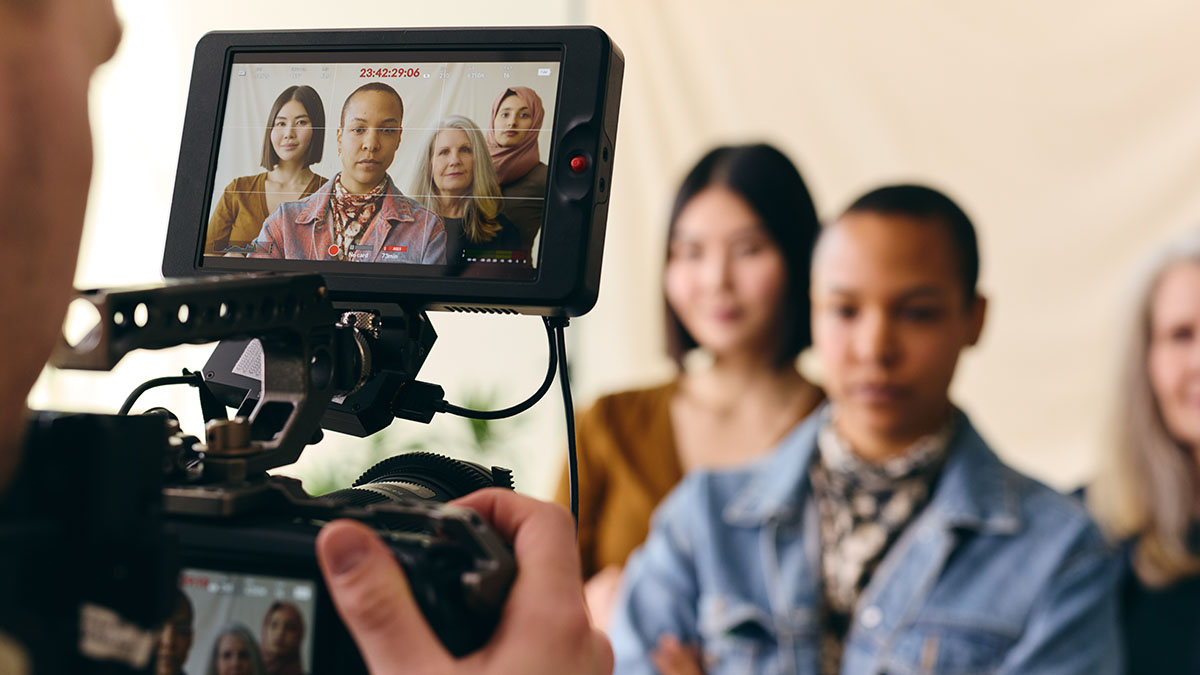
Pre-production: support structures before discussing shots
Before we plan what to film, we plan what happens if filming needs to stop.
We talk through who the support person is on site. We agree on clear ways for someone to indicate they need to pause or stop completely. We identify where subjects can step away if they need space from crew.
This planning takes time, but it's the foundation. You can't respond well to a crisis in the moment if you haven't thought through the protocols beforehand.
For the All Sorts Cyclone Gabrielle recovery project, we filmed people who had just been through severe trauma. Before filming anyone, we spent time with the organisation establishing support structures, discussing comfort levels with whānau present, and planning how we'd respond if someone became overwhelmed.
The filming went smoothly because the preparation was thorough.
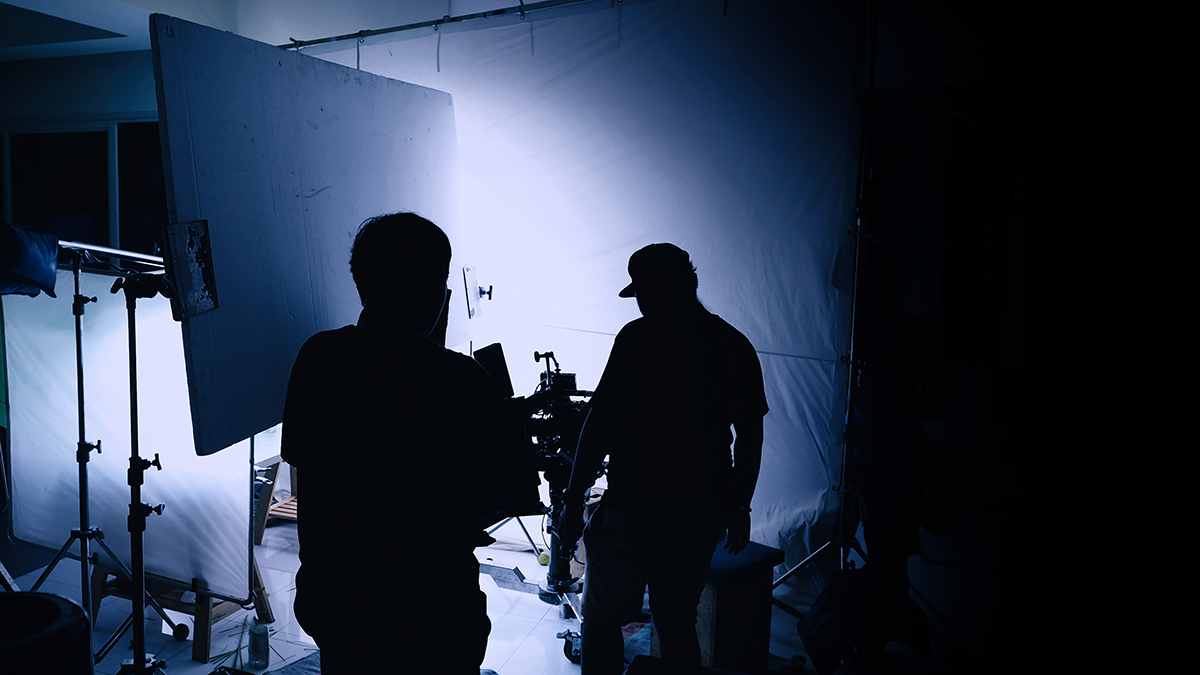
Location scouting: comfort and privacy before aesthetics
When we scout locations for mental health content, we're thinking about the subject's comfort first.
Does the space feel safe? Is there private space nearby where they can take a break if needed? Does the location have any elements that might be triggering? Can we control interruptions during filming?
We've chosen less visually interesting locations because they offered better privacy. We've turned down beautiful spots because the layout didn't work for someone who might need to step away. The location needs to serve the subject as well as the cinematography.
For suicide prevention work, this matters even more. We think about what the space communicates, what memories it might trigger, and whether someone will feel safe enough to be vulnerable there.
Scheduling: building in time for humans to process
Mental health interviews take longer than corporate interviews, not because the questions are longer but because people need space to process what they're sharing.
A standard corporate interview might run 45 minutes. For mental health content, we schedule 90 minutes minimum. That extra time isn't wasted. It's the buffer that lets someone pause, collect themselves, or take a break without feeling rushed.
This extended timeline costs more, but it produces better footage and treats subjects with the care this work requires.
What clients should ask (and what we answer)
Social impact organisations sometimes don't know what questions to ask when hiring filmmakers. Most mental health work happens through nonprofit organizations. Here's what actually matters:
Have you worked with vulnerable populations before?
For us: Yes. Mental Health Awareness Week campaigns, suicide prevention work, lived experience documentaries, we filmed victims of the terror attack in Christchurch, victims of natural disasters and their families. We've filmed in treatment centers, with families in crisis, with people sharing recent trauma. See our detailed guide on filming lived experience for specific techniques.
What's your crew selection process for sensitive content?
For us: We choose crew based on maturity and lived experience with mental health, not just technical credentials. Everyone on set has done this type of work before. Briefing sensitive projects requires special consideration around subject selection. We establish support protocols before filming starts.
What happens if someone wants to stop or withdraw consent?
For us: Filming stops immediately if someone needs it to. Consent is ongoing, not a single signature. Subjects can review footage, request changes, or withdraw consent even after filming. Their wellbeing matters more than our footage.
How much does this cost compared to corporate work?
For us: Mental health production costs 20 to 30% more than equivalent corporate video. That's not equipment, it's time. Longer pre-production, extended filming schedules, smaller experienced crews, careful post-production. You're paying for the care the work requires. See our pricing guide for baseline costs.
Why social impact video production costs more (and should)
If you're comparing quotes for mental health campaign videos and one is significantly cheaper than others, that's worth examining.
Mental health video production costs more than standard corporate work, and that price difference reflects the actual work required.
You're paying for experienced crew who command higher rates because they bring rare skills. You're paying for extended schedules that prioritise subject welfare over production efficiency. You're paying for careful post-production that respects the weight of the content.
You're paying for filmmakers who understand that filming mental health content is both technical craft and ethical responsibility.
The hidden costs of cheap mental health video production
Saving money by hiring inexperienced videographers creates costs you can't see in the quote.
We are storytellers. This craft we developed over long careers. The experience matters because mental health content requires judgment that only comes from doing this work repeatedly, from making mistakes and learning from them, from understanding what subjects need before they have to ask for it.
Choosing filmmakers based purely on price means choosing people who may not have that foundation. And that shows up in the work.
Mental health video production done right costs more because the work requires more. It's worth budgeting for filmmakers who understand both the technical craft and the ethical responsibility.
Frequently Asked Questions
What experience do you need to film mental health content?
Mental health video production requires crew with maturity and lived experience working with people in mental distress. Technical skill matters, but understanding vulnerability and knowing when someone needs support matters more. We choose crew who have filmed in treatment centers, with families in crisis, and with people sharing trauma.
How do you choose crew for mental health video production?
We choose crew based on maturity and lived experience with mental health, not just technical credentials. Everyone on set has done this type of work before. We brief crew on subject backgrounds and establish support protocols before filming starts. Smaller crews mean less pressure on subjects.
What planning happens before filming mental health content?
Before planning shots, we establish support structures. Who is the support person on site? How can someone indicate they need to pause or stop? Where can subjects step away if needed? This planning takes time but it's the foundation for filming that goes smoothly.
How do you choose locations for mental health filming?
We think about subject comfort first. Does the space feel safe? Is there private space for breaks? Could anything be triggering? The location needs to serve the subject as well as the cinematography. We've chosen less visually interesting locations because they offered better privacy and comfort.
How much does mental health video production cost in New Zealand?
Mental health production costs 20 to 30% more than equivalent corporate video. That's not equipment, it's time. Longer pre-production, extended filming schedules, smaller experienced crews, careful post-production. You're paying for the care the work requires and for filmmakers who understand both technical craft and ethical responsibility.
What happens if someone wants to withdraw consent after filming?
Filming stops immediately if someone needs it to. Consent is ongoing, not a single signature. Subjects can review footage, request changes, or withdraw consent even after filming. Their wellbeing matters more than our footage.
Mental Health Video Production Examples
These projects demonstrate responsible mental health video production across different campaign approaches:
About the Author
Diego Opatowski is a documentary filmmaker and Director of Photography based in Auckland, New Zealand, specialising in mental health video production and social impact campaigns.
His mental health video work includes Mental Health Awareness Week campaign videos, CHUR suicide prevention campaign, Nōku te Ao lived experience documentary, All Sorts Cyclone Gabrielle recovery content, and filming with victims of the Christchurch terror attack. Diego's approach to mental health filmmaking prioritises subject welfare, trauma-informed practices, and ethical production standards.
If you're planning mental health video production in Auckland or across New Zealand, get in touch to discuss your campaign requirements and production approach.
Mental Health Awareness Week case studies • Nōku te Ao lived experience videos • CHUR campaign • All Sorts recovery stories